



Mar 31, 2026 2:09 PM
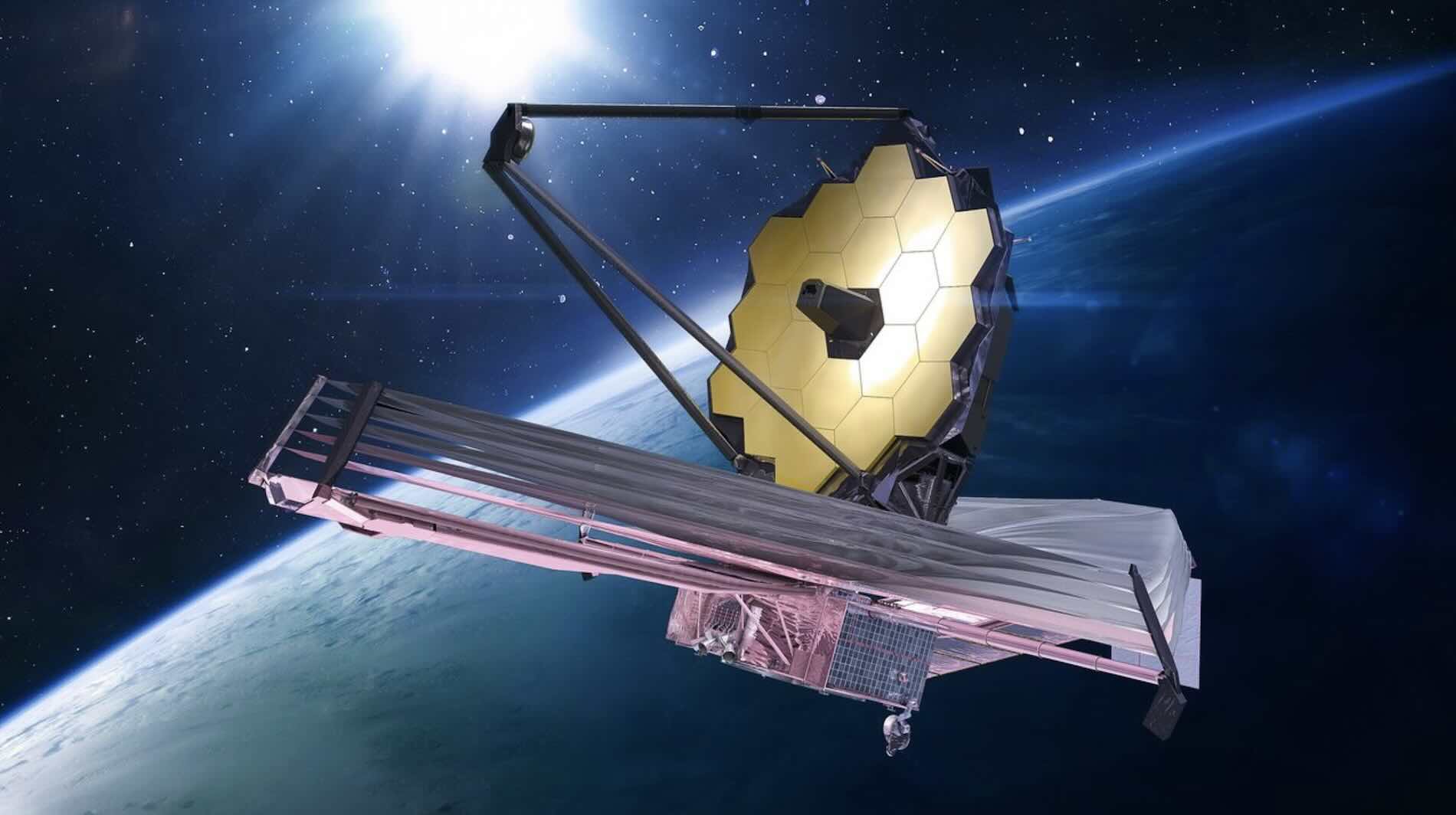
This week, the Webb Telescope is peering at 3I/ATLAS, ligth wave vortices are breaking the universal speed limit, and an iconic American archaeology site's mystery is deepening.
Webb telescope dark matterThis week in stories we're covering at The Debrief, new data from the James Webb Telescope has identified an unusually high concentration of deuterium in the interstellar comet 3I/ATLAS. Elsewhere, dark spots within lightwaves break the speed of light in new research confirming a half-century-old prediction. And finally, Ohio’s famous Serpent Mound has long remained one of America’s most iconic, mysterious, and hotly debated prehistoric monuments, and one researcher we spoke with says there could be a deeper mystery to this famous archaeological site.
In the meantime, here's a look at all the stories we're covering right now at The Debrief...
- Scientists Finally Understand How Mosquitoes Zero In on Human Targets “Like Little Robots” A new mathematical model built from 20 million data points reveals the precise rules mosquitoes use to zero in on humans.
- Vivid Dreams May Actually Make Your Sleep Feel Deeper, New Study Finds A new study from the IMT School for Advanced Studies Lucca finds that vivid, immersive dreams can actually make sleep feel deeper, even when brain activity is higher.
- NASA Officials Investigating Cause of Mystery Condition That Suddenly Left an Astronaut Unable to Speak NASA is reportedly reviewing the medical information of its astronauts following an unusual incident that left one of them unable to speak while aboard the International Space Station (ISS).
- Red Dawn: Crimson Skies Over Western Australia Revealed in Eerie Imagery Online Images flooded social media over the weekend revealing an apocalyptic-looking scene that unfolded over Western Australia, as the country's skies turned an eerie blood red.
- 2,600-Year-Old Shipwreck Reveals an Unexpected Discovery, Challenging Past Ideas on the Tools of Ancient Warfare Raw chunks of iron and other artifacts recovered from an ancient shipwreck are challenging archaeologists’ understanding of trade and war in the Middle East 2,600 years ago.
- New Research Says the Big Bang May Be Linked to a “Deeper Theory of Gravity,” Challenging Past Ideas Researchers say a new theory tackling the Big Bang could reshape how physicists think about the earliest moments of cosmic history.
- “A Microcosm of Life Itself”: Archaeologists Use ‘Radioactive’ Method to Date Historic Coral Polynesian Structures Scientists have revealed a new timeline for historic coral structures in French Polynesia thanks to the modern uranium-thorium dating method
- “We Knew Something Strange Was Happening”: Saturn’s Northern Lights Drive a Planetary ‘Heat Engine,’ Solving Decades-Long Rotation Mystery New research is revealing how a decades-long mystery involving changes in Saturn's rotation speed has finally been solved.
- Prehistoric Skeletal Discovery is Challenging Past Assumptions on an Ancient “Syphilis-Like” Disease Scientists are reconsidering an ancient disease and challenging some of the basic assumptions archaeologists use to study past infections.
- A Mysterious Gravitational Wave Signal Could Represent the First Known Detection of a Primordial Black Hole, Study Suggests New research says that theoretical primordial black holes formed in the first moments after the Big Bang may be responsible for dark matter.
3I/ATLAS•archaeology•astronomy•light wave vortices•NASA•News•Ohio•physics•Serpent Mound•webb telescope
Comments

Powered by RoundtableBuilt on infrastructure designed for real-time media. Learn more at RTB.io.© Roundtable 2026. By using this site you agree to the Terms of Use and Privacy Policy