


Dec 16, 2025 3:35 PM
This week, astronomers have spotted a 'Tatooine' world, Einstein has been proven right (again), and a Bronze Age mystery comes into focus.
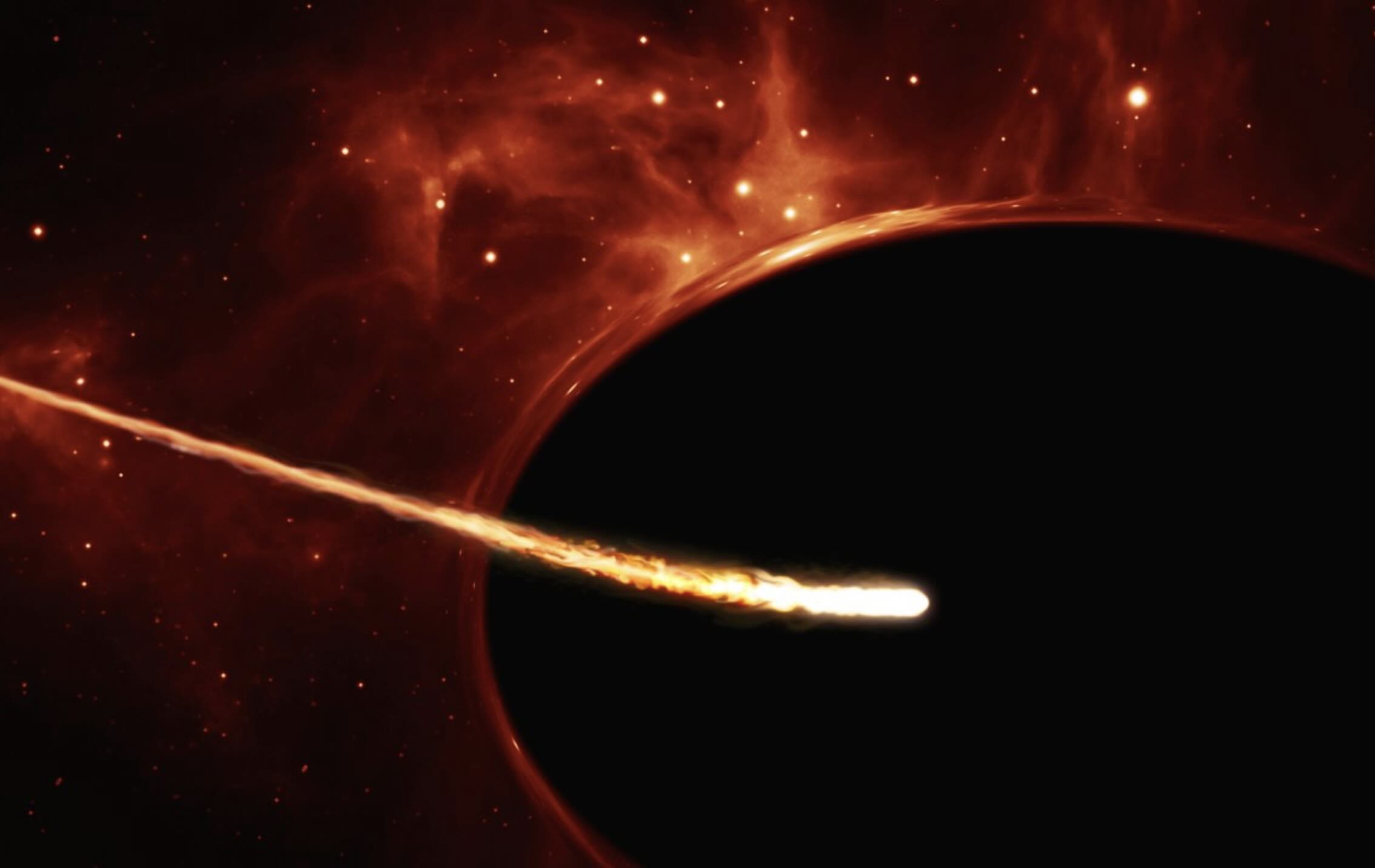
(Credit: ESO, ESA/Hubble, M. Kornmesser)This week in news from The Debrief, researchers analyzing old telescope images have identified a “Star Wars–style” world orbiting two suns—one of several suspicious objects hinting that our catalog of unusual exoplanets is far from complete. Meanwhile, physicists observed a black hole twisting spacetime itself, capturing the elusive effect Einstein predicted more than a century ago and offering what one researcher called “a real gift for physicists.” And on Earth, scientists studying ancient DNA have solved a longstanding mystery about a 4,000-year-old Bronze Age plague, revealing how an early strain—distinct from the later Black Death—once swept across Europe.
Here's a look at all the stories we're covering right now at The Debrief:
- Bionic Hand With Built-In Artificial Intelligence Moves Closer to Natural Human Function Researchers at the University of Utah are using artificial intelligence (AI) to make this innovative bionic hand design more intuitive.
- Researchers May Have Solved the Mystery Behind the Collapse of One of the World’s First Great Civilizations New research suggests the Indus Valley Civilization was reshaped by centuries of river drought, migration, and climate stress.
- SETI Looked Beyond Habitable Exoplanets—and Found a New Way to Search for Alien Technology Scientists searched 27 exoplanets for alien technology using planetary eclipses, revealing a new way SETI hunts signals beyond habitability.
- DARPA’s New "Crystal Palace" Program Aims to Rethink How Matter Is Grown—To Reshape Next-Gen Defense Tech DARPA’s new Crystal Palace program aims to revolutionize how complex materials are grown, reshaping future defense tech.
- 7000-Year-Old Sunken Discovery Points to European Megalithic Construction Centuries Earlier Than Previously Thought Off the western coast of France, archaeologists have discovered a sunken granite Mesolithic wall nine meters below sea level.
- African Rainforests Are Now Releasing More Carbon Than They Absorb, Study Finds African rainforests, long vital carbon absorbers, are now releasing more carbon than they capture, according to new research.
- Why Women Are the Biggest True Crime Fans—and What Science Says They’re Looking For A recent study reveals why women engage with true crime, showing safety motives and psychology—not sensationalism—drive the trend.
- This Enigmatic Ancient Script Hidden Within the Dead Sea Scrolls Was Thought to be Indecipherable—Until Now A researcher has solved one of the longstanding riddles of the Dead Sea Scrolls by deciphering a hidden script within the famous texts.
- SETI Institute Tracks ‘Twinkling’ Pulsar Signals to Sharpen Cosmic Clocks and Hunt for Alien Signals SETI scientists observing a pulsar’s radio pulses over time are redefining how astronomers time pulsars and search for advanced civilizations.
- “No One Has Considered These Systems the Way We Did”: The Magnetic Power that Created "Impossible" Black Holes New black hole research from the Flatiron Institute rethinks their formation under the influence of magnetic fields.
- Experiments Reveal Which Colors and Tones You Should Use to Maximize the Music Listening Experience UC Davis scientists have figured out which colors and lighting tones you should use to best maximize the music-listening experience
- Radiocarbon Study Redraws the Timeline of Ancient Egypt’s First Pharaohs New data from radiocarbon dating is offering deeper insights into ancient Egypt and its relationship with the volcanic eruption at Thera.
Comments

Powered by RoundtableBuilt on infrastructure designed for real-time media. Learn more at RTB.io.© Roundtable 2026. By using this site you agree to the Terms of Use and Privacy Policy